
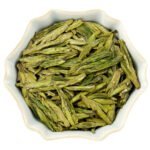
 green tea
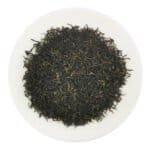 black tea
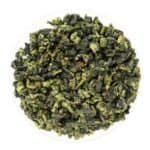 oolong tea
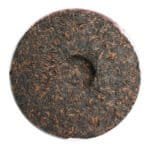 puer tea
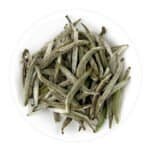 white tea
 dark tea
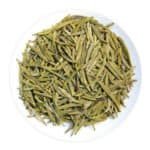 yellow tea
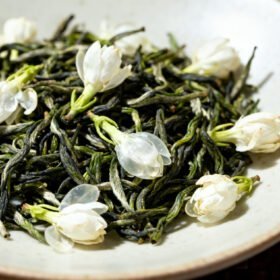 health tea
 gift card
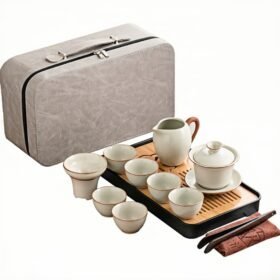 kung fu tea set
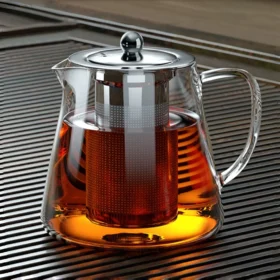 simple tea set
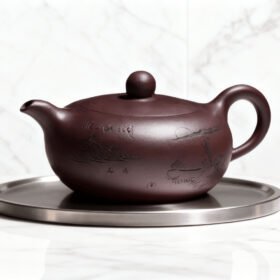 teapot

















This comprehensive tea buyer guide will help you navigate the wonderful world of tea selection. With countless varieties available, finding your ideal cup might seem overwhelming at first. However, by understanding your personal preferences and learning about the basic tea categories, you can confidently choose teas that perfectly suit your taste and lifestyle.
This tea buyer guide covers everything from delicate white teas to robust pu-erhs. We’ll explore flavor profiles, caffeine content, brewing methods, health benefits, and practical tips to make your tea selection process both enjoyable and successful.
Tea Buyer Guide: Understanding the Main Tea Categories
All true teas come from the Camellia sinensis plant, but processing methods create the distinct categories we know today. Herbal “teas” (more accurately called tisanes) come from various other plants. Here’s an overview of the main types in our tea buyer guide:
Green Tea
Green tea undergoes minimal oxidation, preserving its fresh, vegetal character. Known for its light color and delicate flavor, green tea typically contains moderate caffeine (20-45 mg per cup). Popular varieties include Dragon Well (Longjing), Sencha, and Gunpowder. Green tea is celebrated for its high antioxidant content and is ideal for those who prefer subtle, refreshing flavors.
Black Tea
Fully oxidized black tea offers bold, robust flavors ranging from malty to sweet to smoky. With higher caffeine content (40-70 mg per cup), it’s a great morning beverage. Classic black teas include English Breakfast, Earl Grey, Darjeeling, and Assam. Black tea pairs wonderfully with milk and sugar and stands up well to hearty foods.
Oolong Tea
Oolong represents a fascinating middle ground between green and black teas, with partial oxidation creating complex flavor profiles. These teas can range from light and floral to dark and roasted. Oolongs are famous for their ability to be steeped multiple times, with each infusion revealing different nuances. Tieguanyin and Da Hong Pao are well-known oolong varieties.
White Tea
The least processed of all teas, white tea is made from young tea buds and leaves. It offers the most delicate flavor with subtle sweetness and floral notes. With the lowest caffeine content (15-30 mg per cup), white tea is perfect for sensitive individuals or evening relaxation. Silver Needle (Bai Hao Yin Zhen) and White Peony (Bai Mudan) are premium examples.
Pu-erh Tea
This unique category undergoes fermentation and aging, developing deep, earthy flavors that improve over time. Pu-erh can be either raw (sheng) or ripe (shou), with the latter undergoing accelerated fermentation. With a distinctive earthy character and moderate caffeine, pu-erh is often enjoyed after meals to aid digestion.
Herbal Tea (Tisanes)
Not technically tea, herbal infusions include chamomile, peppermint, rooibos, and fruit blends. Naturally caffeine-free, these offer diverse flavors and potential health benefits. Perfect for evening relaxation or those avoiding caffeine entirely.
Tea Buyer Guide: Matching Tea to Your Taste Preferences
Your personal flavor preferences are the most important factor in choosing tea. Consider what flavors you naturally enjoy in other foods and beverages:
If you prefer light, fresh flavors → Start with green or white teas. These offer delicate, vegetal, or floral notes that are refreshing and subtle.
If you enjoy complexity and ritual → Explore oolong teas, especially through Gongfu brewing. The multiple steepings reveal evolving flavors that tea enthusiasts cherish.
If you like bold, comforting flavors → Black teas will be your best friends. Their robust character stands up well to additives and pairs perfectly with breakfast or afternoon snacks.
If you’re interested in aging and depth → Pu-erh teas offer unique earthy flavors that develop complexity over time, much like fine wine.
If you want caffeine-free options → Herbal teas provide endless variety without stimulants, perfect for any time of day.
Tea Buyer Guide: Considering Practical Factors
Beyond flavor, several practical considerations can influence your tea selection according to our tea buyer guide:
Caffeine Sensitivity
If you’re sensitive to caffeine, white and green teas generally contain less than black teas. Herbal teas are naturally caffeine-free. For those seeking an energy boost, black tea and matcha (a powdered green tea) provide higher caffeine levels.
Brewing Convenience
Your lifestyle should influence your tea choices. If you’re often rushed, consider tea bags or pyramid sachets for quick preparation. If you enjoy the ritual of tea making, loose-leaf teas offer superior flavor and the pleasure of the brewing process.
Health Benefits
All teas contain beneficial antioxidants, but green tea is particularly rich in EGCG, while black tea offers theaflavins. Herbal teas provide various wellness benefits—chamomile for relaxation, peppermint for digestion, etc. For more information on tea health benefits, visit the Tea Association of the USA.
Budget Considerations
Tea prices vary dramatically. While premium single-estate teas can be expensive, many excellent everyday options are quite affordable. Consider your budget and how often you plan to drink tea when making selections.
Expert Tip: Start with Samplers
The best way to discover your preferences is to try small quantities of different teas before committing to larger purchases. Many tea merchants offer sampler sets that let you explore various types without significant investment.
Tea Buyer Guide: Brewing Basics for Optimal Flavor
Proper brewing makes all the difference in your tea experience. While specific recommendations vary by tea type, these general guidelines will help:
- Water Temperature: Green and white teas prefer cooler water (160-180°F), while black and herbal teas need near-boiling water (200-212°F). Oolongs vary based on oxidation level.
- Steeping Time: Follow recommended steeping times carefully—overbrewing can create bitterness, especially with green teas.
- Water Quality: Use filtered water when possible, as minerals in tap water can affect tea flavor.
- Tea-to-Water Ratio: Generally, use one teaspoon of loose-leaf tea per 8 ounces of water, adjusting to taste.
Tea Buyer Guide: Developing Your Tea Palate
Like wine tasting, developing your tea palate takes time and practice. Here’s how to enhance your tasting skills:
- Take Notes: Record your impressions of different teas—aroma, flavor, mouthfeel, and aftertaste.
- Compare Side by Side: Taste similar teas together to better understand their differences.
- Attend Tea Tastings: Many specialty shops offer tastings where experts can guide your exploration.
- Experiment with Brewing Parameters: Adjust temperature, time, and leaf quantity to discover how they affect flavor.
Final Thoughts on Our Tea Buyer Guide
Choosing tea is a personal journey that evolves with your tastes and experiences. Don’t be afraid to experiment—sometimes the most unexpected teas become favorites. Remember that the “best” tea is ultimately the one you enjoy most, regardless of price or prestige.
As you explore the world of tea, you’ll not only discover delightful flavors but also join a global community of tea enthusiasts who appreciate this ancient beverage’s ability to comfort, energize, and connect us across cultures.
For further reading on tea varieties and brewing techniques, check out our Tea Basics guide or explore the World Tea Directory for more specialized information.
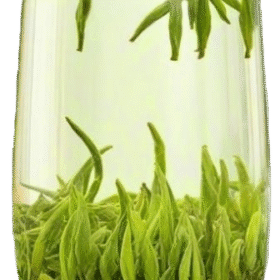 teas
teas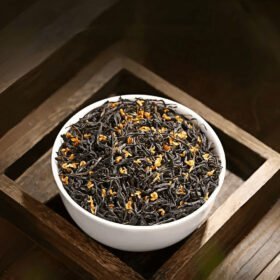 black tea
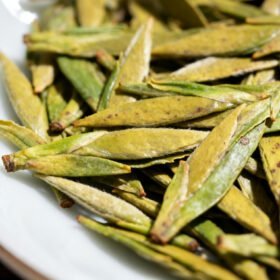 green tea
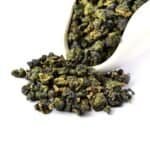 oolong tea
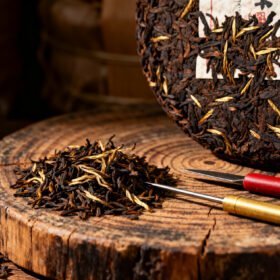 puer tea
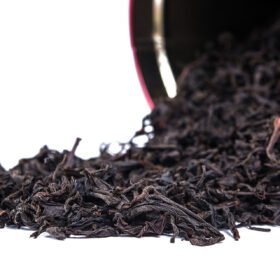 Dark Tea (Hei Cha)
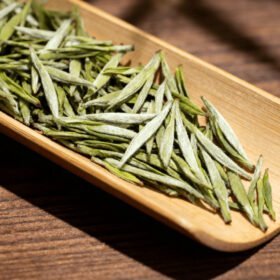 white tea
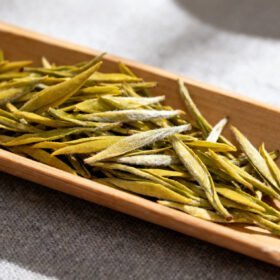 yellow tea
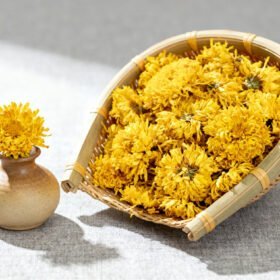 health tea
 gift card
 fine tea sets
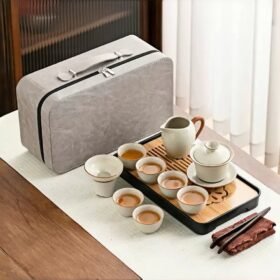 kung fu tea set