
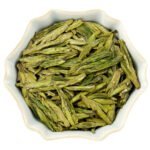
 green tea
 black tea
 oolong tea
 puer tea
 white tea
 dark tea
 yellow tea
 health tea
 gift card
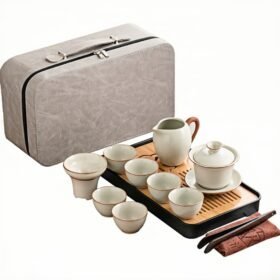 kung fu tea set
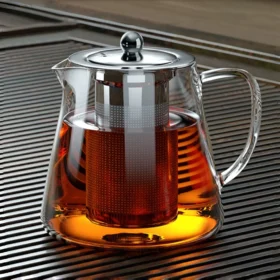 simple tea set
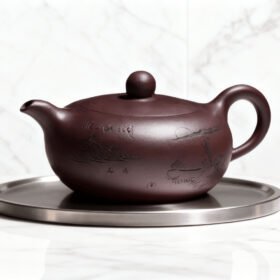 teapot
















What Makes Chinese Green Tea Unique: Origins, Flavor & Brewing Tips
Discover the Art and Science Behind China’s Most Celebrated Green Teas

Chinese green tea carries centuries of local traditions, terroir-driven flavors, and delicate craftsmanship. Unlike oxidized teas, green tea is minimally processed—picked, steamed or pan-fired, then dried—so it preserves fresh vegetal and floral notes. At A Cup of Good Tea, we focus on single-origin green teas that express their mountain, season, and farmer.
The Rich History of Chinese Green Tea
Green tea has been cultivated in China for over 3,000 years, with legends dating back to Emperor Shen Nong in 2737 BCE. According to Chinese mythology, the emperor discovered tea when leaves from a wild tree blew into his pot of boiling water. The resulting infusion delighted him with its refreshing taste and invigorating properties.
During the Tang Dynasty (618-907 CE), tea culture flourished with the publication of Lu Yu’s “The Classic of Tea,” the first known monograph dedicated entirely to tea. This period established tea drinking as an art form and spiritual practice, deeply embedded in Chinese philosophy and medicine.

Region and Processing: The Heart of Flavor Differences
From Zhejiang’s renowned Longjing (Dragon Well) to Anhui’s delicate Huangshan Maofeng and Jiangsu’s fragrant Bi Luo Chun, each Chinese tea-growing region yields distinct taste profiles shaped by unique microclimates, soil compositions, and altitudes.

Longjing (Dragon Well)
Pan-fired, flat leaves with chestnut aroma and sweet aftertaste from West Lake, Zhejiang

Huangshan Maofeng
Fuzzy tips with floral notes from the Huangshan mountains in Anhui

Bi Luo Chun
Coiled leaves with fruity aroma from Dongting Mountain, Jiangsu
Processing methods significantly impact the final character of Chinese green tea. Pan-firing (common in many Chinese greens) delivers nutty, chestnut-like aromas, while steaming (more common in Japanese greens) gives grassy, marine notes. The length of pan-firing, leaf selection, and harvest timing all shape the final cup.
Spring Harvest: The Peak of Quality
The timing of the harvest dramatically affects tea quality. Pre-Qing Ming (before April 5th) teas are considered the highest grade, featuring the most tender buds with complex amino acid profiles that create unparalleled sweetness and umami.

Flavor Notes & Aroma Profile
Chinese green teas offer a remarkable spectrum of flavors that reflect their terroir and processing:
- Fresh, green, grassy base – The signature profile of minimally processed leaves
- Nutty or chestnut undertones – Characteristic of pan-fired Longjing teas
- Floral or fruity hints – Especially prominent in early spring harvests
- Clean sweetness and lingering aftertaste – A sign of high-quality tea with abundant amino acids
- Umami richness – Particularly in shade-grown teas like Gyokuro-inspired Chinese varieties
Health Benefits of Chinese Green Tea
Beyond its delightful taste, Chinese green tea offers numerous health benefits supported by scientific research:
- Rich in antioxidants – Especially EGCG, which helps combat oxidative stress
- Metabolism support – Can gently enhance calorie burning and fat oxidation
- Mental clarity – The combination of caffeine and L-theanine promotes focused alertness
- Cardiovascular support – Regular consumption associates with improved heart health
- Immune system boost – Antioxidants help strengthen the body’s defenses

Mastering the Art of Brewing Chinese Green Tea
Proper brewing unlocks the full potential of Chinese green tea. Use water at 75–80°C (167–176°F) and 2–3 grams per 200ml. First infusion 45–60 seconds; subsequent infusions increase gradually. Too-hot water extracts bitterness quickly; cooler water preserves sweetness and aroma.
Heat water to 75-80°C (167-176°F). Boiling water scorches delicate leaves, creating bitterness.
Use 2-3 grams of tea per 200ml water. Adjust to taste preference.
First infusion: 45-60 seconds. Increase by 15-30 seconds for subsequent brews.
High-quality Chinese greens can yield 3-5 flavorful infusions.

Selecting and Storing Chinese Green Tea
To ensure the best tea experience:
- Choose current year’s harvest – Green tea is most vibrant when fresh
- Look for intact leaves – Whole leaves indicate careful processing
- Check for vibrant color – Dull or yellowish leaves may be stale
- Store in airtight containers – Away from light, moisture, and strong odors
- Consume within 6-12 months – For optimal flavor and aroma
Chinese Green Tea vs. Other Green Teas
While all green teas share the characteristic of being unoxidized, Chinese greens differ significantly from their Japanese counterparts:
- Processing – Chinese teas are typically pan-fired, creating nuttier flavors, while Japanese teas are steamed, yielding grassier notes
- Leaf appearance – Chinese greens often have twisted or flat-shaped leaves, while Japanese teas may appear needle-like
- Flavor profile – Chinese greens tend to be more nuanced with sweeter finishes, while Japanese greens offer more vegetal, umami-rich profiles

Ready to Explore Premium Chinese Green Tea?
Discover the subtle differences between regions and harvests with our hand-selected green teas. Whether you prefer delicate spring picks or more toasty pan-fired styles, we have a green tea to suit your palate.
At A Cup of Good Tea, we’re passionate about sharing the authentic taste and tradition of Chinese green tea. Each cup tells a story of its origin, craft, and the careful hands that brought it to you.
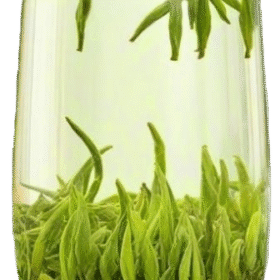 teas
teas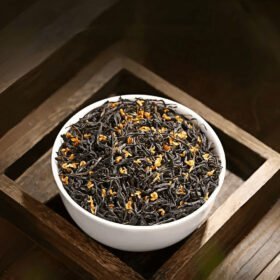 black tea
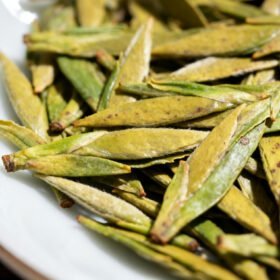 green tea
 oolong tea
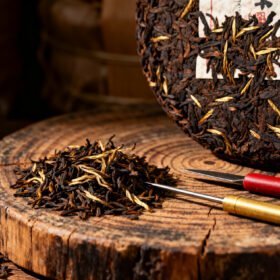 puer tea
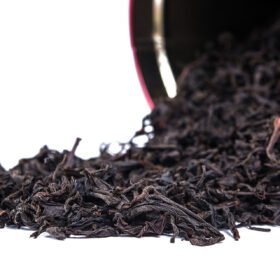 Dark Tea (Hei Cha)
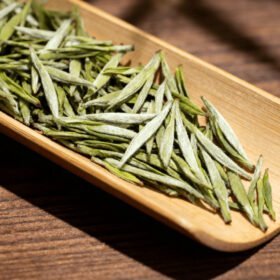 white tea
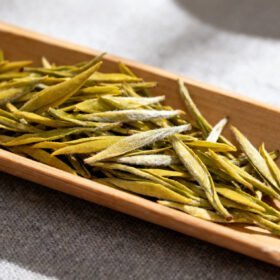 yellow tea
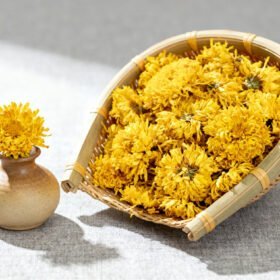 health tea
 gift card
 fine tea sets
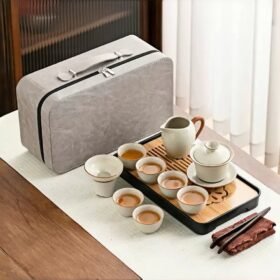 kung fu tea set